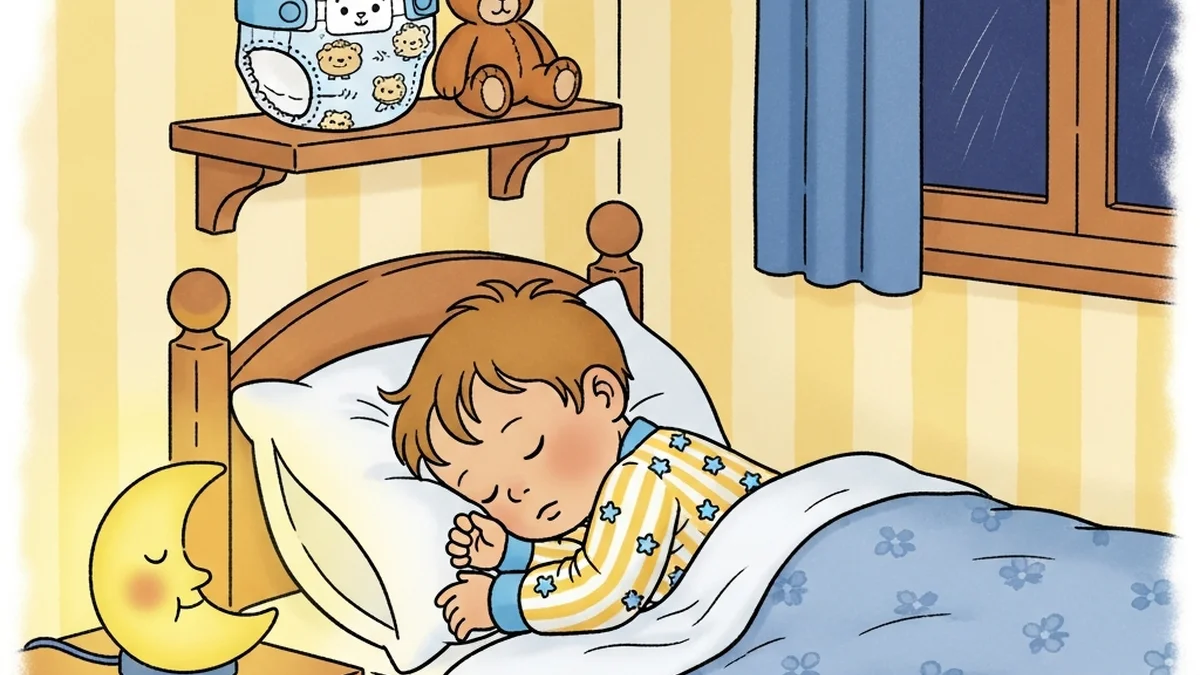
It's 7:45 PM. Teeth brushed, story read, lights low. You lean in for the last kiss and your toddler pops up: "I have to go potty." You can't exactly say no to that. Ten minutes later they're tucked back in, and a tiny voice floats out of the dark: "I have to go again."
If your toddler is using the potty to stall bedtime, you're in very good company. The potty is the one bedtime request parents almost never refuse, and smart little kids figure that out fast. The good news is this is a normal phase, not a problem with their bladder or your routine.
Why Stalling Bedtime With Potty Trips Works So Well
Most toddlers between 2 and 4 years old test bedtime limits. They're not being sneaky in a calculated way. They've simply learned that "I have to go potty" is the magic phrase that buys more time, more light, and more of you.
Think about it from their side. Saying "I'm not tired" gets a no. Asking for one more book gets a no. But announcing a potty need? That gets an immediate yes, a trip down the hall, and a few extra minutes of company. It's the perfect loophole.
A bedtime potty stall is usually about delaying sleep and getting one-on-one time, not a full bladder. Once you see it as connection-seeking rather than defiance, the fix gets a lot calmer. You're not fighting a behavior problem. You're closing a loophole gently.
Is It Stalling or a Real Need? How to Tell
This is the part that keeps parents up at night, literally. Nobody wants to refuse a real potty trip and end up with a wet bed and a 2 AM sheet change. So before you set any limits, rule out a genuine need.
A few signs it's mostly stalling:
- They produce just a few drops, or nothing at all, after all that urgency.
- The requests pile up only at bedtime, never during a fun activity they don't want to leave.
- They linger, chat, ask for help they don't need, or want to wash hands three times.
- They seem wide awake and cheerful, not squirmy or uncomfortable.
A genuine need usually looks different. They go a normal amount, they're not chatty about it, and the urge shows up at random times during the day too, not just when the lights go off. When the only thing that changed is the clock, it's almost always the clock they're reacting to.
How to Stop the Bedtime Potty Stall
You don't need a battle. You need a routine that takes the loophole away while still respecting real needs. Here's what actually works.
1. Build in a "double pee"
Put one potty trip at the start of the bedtime routine, right after pajamas. Then add a second, final trip as the very last step before lights out, after teeth and books. This empties the bladder on purpose so there's genuinely less left to "need" 10 minutes later. Tell your child this is the plan: "We go potty after pajamas, and one more time right before bed. That's how we keep your bed dry."
2. Give one bedtime potty pass
After lights out, your child gets exactly one extra potty trip if they ask. One. Make it clear and predictable: "You have one more potty trip tonight if you really need it." When they use it, that's the last one. Knowing the limit upfront helps a 3-year-old think twice instead of calling out on repeat.
3. Keep the trip boring on purpose
The stall only pays off if the trip is fun, so make it dull. Have them walk, not get carried. Use a nightlight instead of the bright overhead light. No talking, no songs, no show-and-tell, no extra kisses. Walk them back, tuck them in once, and leave. When the potty trip stops earning attention, it stops being worth the effort.
4. Time the last big drink
Offer the bulk of fluids earlier in the evening and ease off large drinks in the last 60 to 90 minutes before bed. A few sips of water if they're truly thirsty is fine, and you should never withhold water from a thirsty child. You're just avoiding the full cup of milk that turns into a real 9 PM trip. Our guide on whether to cut off drinks before bed walks through the timing in more detail.
One more thing: keep your tone flat and kind through all of it. Big reactions, frustrated or fussy, can turn bedtime into a power struggle, which gives the stall even more fuel. If bedtime has tipped into nightly standoffs, our piece on stopping potty training power struggles has more on staying neutral when you're worn out.
When Bedtime Potty Trips Are Worth a Closer Look
Most of the time this is pure stalling. But a sudden, real spike in peeing deserves a second look, because frequent urination can sometimes signal a urinary tract infection or other issue.
Call your pediatrician if your child suddenly starts peeing much more than usual for more than a day or two, cries or says it burns when they go, passes only small amounts often, or has cloudy, smelly, or bloody urine. New nighttime accidents in a kid who was reliably dry, or a fever with no clear cause, are also worth a call. Our overview of potty training and UTIs covers the warning signs in plain language.
Pain or a real change in how much they're going is a medical question, not a behavior one. When in doubt, a quick urine test settles it.
A Quick Word of Reassurance
The bedtime potty stall is one of the most common things parents write to us about. It feels like it'll last forever at 8 PM on night four. It won't.
Once the routine is predictable and the trips stop earning extra attention, most kids drop the game within a week or two. You're not raising a manipulator. You've got a clever toddler who found a loophole, and you're calmly closing it. That's good parenting, not a problem.
Key Takeaways
- Using the potty to stall bedtime is a normal phase for kids ages 2 to 4, driven by wanting more time and connection, not a bladder problem.
- It's usually stalling if they produce little or nothing, only ask at bedtime, and seem cheerful and chatty rather than uncomfortable.
- Use a "double pee" routine: one trip after pajamas and one as the very last step before lights out.
- Allow exactly one bedtime potty pass after lights out, and keep every trip boring with no talking, songs, or extra attention.
- Call your pediatrician if peeing suddenly spikes, hurts, comes in tiny amounts, or comes with fever, blood, or new bedwetting.
Frequently Asked Questions
How do I know if my toddler really needs to pee or is just stalling at bedtime?
Watch what comes out and when. Stalling usually produces just a few drops or nothing, happens only at bedtime, and comes with lingering and chatting. A real need produces a normal amount and shows up at random times during the day too, not just when the lights go off. When the clock is the only thing that changed, it's almost always the clock they're reacting to.
Should I refuse to let my toddler go potty at bedtime?
Don't refuse outright, since that risks a wet bed and erodes trust in their body's signals. Instead, build the need out of the routine with a potty trip right before lights out, then allow one extra pass after that. A clear, predictable limit works much better than a flat no.
How many times is it normal for a toddler to pee before bed?
Two intentional trips is plenty for most toddlers: one at the start of the bedtime routine and one as the final step before lights out. After that, one more on request is reasonable. Beyond that, repeated trips are almost always about delaying sleep rather than a full bladder.
My toddler asks to poop at bedtime every night. Is that stalling too?
It can be, especially if nothing comes out. But some kids genuinely feel the urge to poop in the evening, so don't dismiss it outright. If they regularly produce a poop, move it earlier by offering a calm potty sit after dinner. If it's just sitting and chatting with no result, treat it like any other stall and keep the trip brief and boring.
Will limiting bedtime potty trips cause accidents?
Not if you empty the bladder right before lights out and still allow one trip on request. That combination covers a true need while closing the loophole. If your child is genuinely wetting the bed after a real attempt, that's a separate night-training question, and our guide on whether to wake your child to pee at night can help.