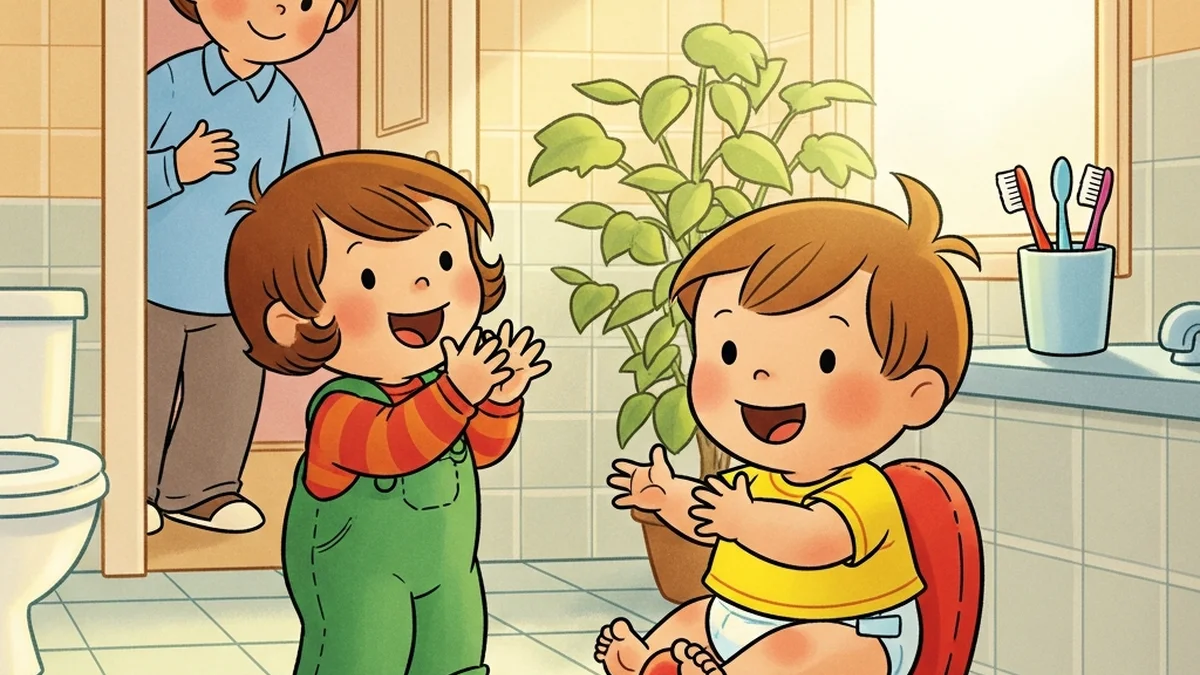
Pregnant, Pottying, and Trying Not to Lose It
It's 2 PM. You're 26 weeks along, your back hurts, and your two-year-old is mid-pee on the kitchen rug for the third time today. You meant to get potty training done before the new baby arrived. Now you're wondering if you've made a huge mistake.
You haven't. Potty training while pregnant is doable. It's just a different game than potty training when you're not also growing a person.
The real question isn't whether you can do it. It's when, how hard, and how to set things up so you're not crawling around on a swollen body cleaning floors at 30 weeks.
Should You Potty Train Before the Baby Comes?
Pediatricians generally suggest one of two windows: at least 2 to 3 months before the new baby arrives, or 3 to 6 months after. The middle zone is the danger area. A toddler trying to learn potty skills the same week a newborn enters the house is set up for regression.
If your toddler is showing readiness signs and you're under 28 weeks, you've got a real shot. If you're past 32 weeks and your toddler isn't even close to ready, hit pause. Wait until the baby is 4 months old or so, then try again.
There's no medal for finishing potty training before your due date.
Why Pregnancy Makes Potty Training Harder
The toddler isn't the only variable here. You are too.
- Energy crashes. Potty training the first 3 days takes hands-on attention. Pregnancy fatigue makes that brutal.
- Bathroom traffic jam. You both need the toilet. Constantly.
- Bending and crouching. Pulling pants up and down 40 times a day adds up.
- Emotional bandwidth. Hormones, anxiety, prep for baby. There's only so much patience to go around.
None of this is a reason to give up. It's a reason to plan.
The Best Time to Start (By Trimester)
First Trimester (weeks 1 to 13)
Honestly, this stretch is rough. You're nauseated, exhausted, and probably haven't told everyone yet. Don't start a 3-day intensive now. If your toddler is younger than 22 months, just wait.
If they're older and showing signs, you can do a low-pressure introduction. Get a potty in the bathroom. Let them sit on it during your bathroom trips. No expectations, no cleanup.
Second Trimester (weeks 14 to 27)
This is the sweet spot. Energy is usually back. Bump isn't huge yet. You can still get up and down off the floor without help.
If you're going to do an intensive method like the 3-day approach, this is your window. Aim for a long weekend between weeks 18 and 24. You'll have time to consolidate gains before the third trimester slows you down.
Third Trimester (weeks 28 to 40)
Don't start a brand new training push here. If you're already in the middle of training, finish what you started. If you haven't started, plan for after baby is settled.
Exception: if your toddler basically trained themselves and just needs a few cues, sure. But a full intensive at 35 weeks is asking too much of your body.
Practical Setup That Saves Your Back
The right gear matters more during pregnancy than at any other time.
- Two potties. One in the bathroom, one in your main living space. Less running, less bending. A travel potty in the car helps too.
- Elastic-waist pants only. Skip overalls, snaps, and buttons. Your toddler should be able to pull pants down themselves by week 1 or 2.
- A small step stool by the toilet. Once they're using the big toilet, you don't have to lift them every time.
- A sit-down spot near the potty. A floor cushion or low chair. You'll be there a lot. Your knees will thank you.
- Cleanup baskets in every room. Pre-stocked with wipes, paper towels, and a clean change of clothes.
Talk to your partner before you start. Even one or two days of help with the early hours of training makes a huge difference. This isn't a solo project.
How to Frame the New Baby in Training
Don't tie potty training to the baby's arrival. Don't say "you need to be a big kid before the baby comes." That puts pressure on your toddler and links potty training to losing their spot. Bad combo.
Train because they're ready. Mention the baby separately. Two unrelated topics.
If they ask "is the baby going to use my potty?" the answer is no. Babies use diapers for a long time. The potty is yours.
What If You Run Out of Time?
Plenty of parents go into labor with a half-trained toddler. It's fine.
If you're at week 36 and your kid is still having multiple accidents a day, here's what to do:
- Stop the intensive push. Don't add stress to your delivery prep.
- Maintain what's working. If they're using the potty at home, keep that going.
- Use pull-ups for outings and naps until baby is here and home for a month.
- Plan to finish training when the baby is around 3 to 4 months old, once you've got a feeding rhythm.
A toddler who's 70 percent trained is way better off than one starting from zero. The ground you've covered isn't lost.
Reassurance From the Other Side
Most parents who potty train during pregnancy hit a stretch where it feels impossible. It usually passes within a week or two.
Your toddler doesn't need a perfectly trained sibling situation when the baby arrives. They need to feel loved and secure. If potty training stresses your relationship more than it helps, pause it. The world won't end.
And here's the truth nobody says: a lot of toddlers actually train faster during their parent's pregnancy. They're motivated. They're growing up too. Sometimes the bump is the gentle push they needed.
Key Takeaways
- The best window to potty train during pregnancy is weeks 18 to 24, in the second trimester.
- Don't start an intensive push within 2 to 3 months of your due date.
- Set up two potties, elastic pants, and cleanup baskets in every room before you start.
- Don't link potty training to the new baby. Train because your toddler is ready.
- If you don't finish in time, pause and resume when baby is 3 to 4 months old.
Frequently Asked Questions
Is it bad to start potty training in the third trimester?
It's not harmful, but it's hard on your body and emotionally exhausting. Most parents who try a brand new training push after week 32 end up frustrated. If your toddler is showing strong readiness signs, you can do a low-pressure introduction. But save the 3-day intensive for after baby is born and settled.
My toddler is 2 and a half. Should I train now or wait until after the baby?
If you're under 28 weeks pregnant, train now. If you're past 32 weeks, wait. Children between 22 and 30 months are generally in the readiness window, so timing matters more than age. You want at least 2 months of consolidation before the new baby arrives, or you risk regression.
Can I 3-day potty train while pregnant?
Yes, in the second trimester. Aim for a Friday-to-Sunday window between weeks 18 and 24. Have your partner take primary duty for siblings or other responsibilities so you can focus. Skip the intensive method in the first trimester (too tired) and the third (too tired and too pregnant). For more on the method itself, see our guide to picking the right potty before you start.
How do I avoid back pain when bending down for accidents and potty sits?
Keep a low cushion or stool near every potty so you can sit while supervising. Have your toddler do as much pulling pants up and down as possible. Stock cleanup baskets at child level so you don't have to fetch supplies mid-accident. And lean on your partner for the bend-heavy floor cleanups when they're around.
Will my toddler regress when the baby arrives, even if they're trained?
Some regression is common, even with kids fully trained for months. It usually shows up 1 to 4 weeks after the baby comes home and resolves within a few weeks. Stay calm, don't switch back to daytime diapers, and give your toddler one-on-one time daily. Most regressions tied to a new sibling resolve within 2 to 4 weeks.