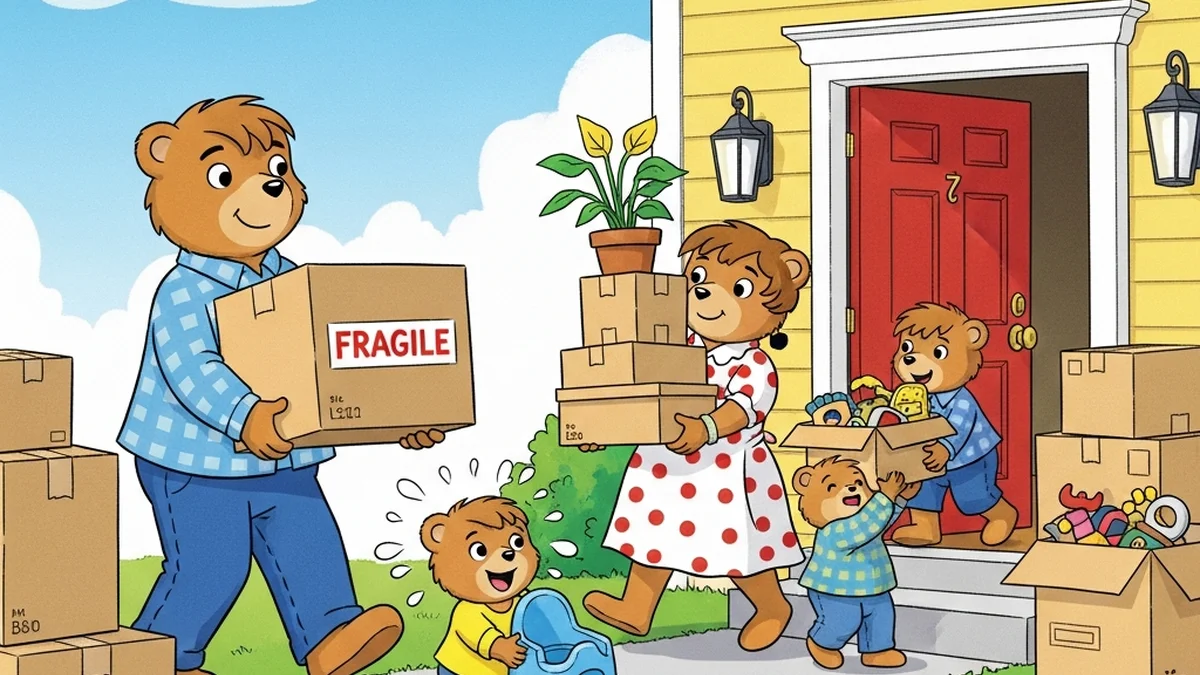
The boxes are stacked to the ceiling. Your toddler's favorite cup is buried somewhere in a bin labeled "kitchen maybe." And right in the middle of all this chaos, you're supposed to keep potty training during a move on track. Good luck, right?
Actually, it's more doable than you think. Moving is stressful for everyone in the family, toddlers included. But with a few smart adjustments, you can keep potty training progress from unraveling while you settle into your new place.
Why Moving Throws Potty Training Off
Toddlers thrive on routine. They like knowing where their potty is, which bathroom they use, and what comes next in their day. A move disrupts all of that at once.
New rooms. New sounds. New everything. For a 2- or 3-year-old, that's a lot to process. Their brain is busy making sense of a changed world, and potty training takes a backseat.
According to the AAP, major life changes like moving are one of the most common triggers for potty training regression. It doesn't mean your child forgot what they learned. It means they're overwhelmed.
Before the Move: Set Yourself Up
Pack the potty last
Seriously. Keep the potty chair or seat insert accessible until the very last box goes in the truck. And unpack it first at the new house. Your toddler needs to see it right away in their new bathroom.
Talk about the new bathroom
If you can, show your child photos or videos of the new house before moving day. Point out where the bathroom is. "Look, that's where your potty will go!" Kids do better with transitions when they know what's coming.
Stock a moving-day potty bag
Pack a dedicated bag with:
- Portable potty seat or travel potty
- 5 to 6 changes of underwear and pants
- Wet wipes and plastic bags for accidents
- Their favorite potty book or small reward
Keep this bag in the car, not the moving truck. You'll want it within reach all day.
Moving Day: Keep It Simple
Moving day is not the day to push potty training milestones. Your only goal is maintenance.
Set a timer for every 45 to 60 minutes and take your toddler to the bathroom, even if they say they don't need to go. On a chaotic day, they won't notice their body's signals the way they normally would.
If they're staying with grandparents or a sitter on moving day, brief that person on the routine. Same words, same timing, same positive reactions. Consistency from all caregivers matters more than ever during transitions.
Pull-ups are a reasonable call for moving day if your child is newly trained. This isn't a step backward. It's a practical choice for an impractical day.
The First Week in Your New Home
Make the bathroom familiar
Put your child's potty in the same spot relative to the toilet that it was in the old house, if possible. Hang the same hand towel. Use the same soap. These tiny details signal "this is still your bathroom" to a toddler's brain.
Restart the routine on day one
Don't wait until you're "settled in" to bring back the potty schedule. The sooner you reinstate regular bathroom trips (after meals, before naps, before bed), the faster your toddler readjusts. Most kids bounce back within 5 to 10 days when the routine comes back quickly.
Expect accidents and stay calm
You'll probably see more accidents in the first week or two. That's normal. A study published in Contemporary Pediatrics found that family disruptions like moves are among the top triggers parents report for potty training setbacks.
When accidents happen, keep it neutral. "Oops, let's clean up and try the potty next time." No frustration, no lectures. Your calm reaction helps your child feel safe enough to get back on track.
What If Full Regression Hits?
Some kids don't just have a few extra accidents. They completely stop using the potty after a move. If that happens, take a breath. This is temporary.
Here's what to do:
- Rule out physical causes. A new environment can coincide with constipation, a UTI, or a stomach bug. If accidents persist beyond 2 to 3 weeks, check in with your pediatrician.
- Go back to basics. Treat it like a soft reset. More frequent potty reminders, small rewards for sitting on the potty, and lots of praise for any success.
- Give extra one-on-one time. Sometimes regression after a move is your toddler's way of asking for attention and reassurance. 15 to 20 minutes of dedicated play each day can reduce stress-related accidents noticeably.
Most move-related regressions clear up within 2 to 4 weeks once the new routine is established. If things haven't improved after a month, that's a good time to talk to your pediatrician.
Should You Pause Potty Training for a Move?
If you haven't started potty training yet and a move is coming in the next 2 to 3 weeks, it's worth waiting. Starting something brand new during peak chaos isn't fair to you or your child.
But if your kid is already trained or in the middle of training, don't stop. Pausing sends a confusing message. It's better to keep going at a relaxed pace than to abandon the routine entirely. Your child has already built the muscle memory and habits. You just need to protect them through the transition.
Packing Your Potty Training Essentials
A few items make the move smoother for potty-training families:
- Travel potty: For the car ride and the first few days when boxes block the bathroom
- Waterproof mattress pad: Nights get rockier after a move, so protect the new bed early
- Familiar rewards: Whatever stickers, treats, or praise routine you've been using, keep it going
- Night light: A new room is dark and unfamiliar. A night light near the bathroom path prevents fear-based accidents
Key Takeaways
- Pack the potty last and unpack it first. Your toddler needs to see it in the new bathroom immediately.
- Set a timer for every 45 to 60 minutes on moving day and the first week to prompt bathroom trips.
- Expect some regression. Most kids bounce back within 5 to 10 days when the routine returns quickly.
- Stay calm with accidents. Your reaction matters more than the mess.
- If regression lasts longer than a month, check in with your pediatrician to rule out physical causes.
Frequently Asked Questions
Should I put my toddler back in diapers during the move?
If your child has been reliably using the potty for a month or more, try to avoid going back to full diapers. Pull-ups for moving day and car rides are fine, but frame them as "travel underwear." Going back to diapers can confuse a child who's already made the mental shift.
How long does potty training regression last after a move?
Most kids readjust within 1 to 3 weeks once a consistent routine is back in place. Some children bounce back in just a few days. If accidents continue beyond 4 weeks in the new home, it's worth talking to your pediatrician.
My toddler is scared of the new bathroom. What should I do?
This is really common. The new bathroom looks, sounds, and smells different. Let your child explore it without pressure first. Put familiar items nearby, like their potty seat, a favorite towel, or stickers on the wall. Let them flush the toilet and run the water a few times to get comfortable before expecting them to use it.
Can I start potty training right after a move?
Give your family at least 2 to 3 weeks to settle in before starting potty training from scratch. Your toddler needs to feel safe and familiar with the new home first. Once they're sleeping well and back to their normal behavior, that's your green light.
What if only one bathroom is unpacked?
Use a portable potty in another room as a backup. The goal is making a potty available within 30 seconds of your toddler saying "I need to go." If the only bathroom is upstairs and you're living on the main floor for the first few days, a portable potty downstairs prevents accidents.